


Winter roads can be hazardous, and having to drive someplace during a snowstorm can be a huge ordeal. Servicing your car, driving properly, and packing a winter car emergency kit can ensure your automobile is ready for any winter storm or winter driving.
Vehicle Winter Checklist: How to Winterize Your Car
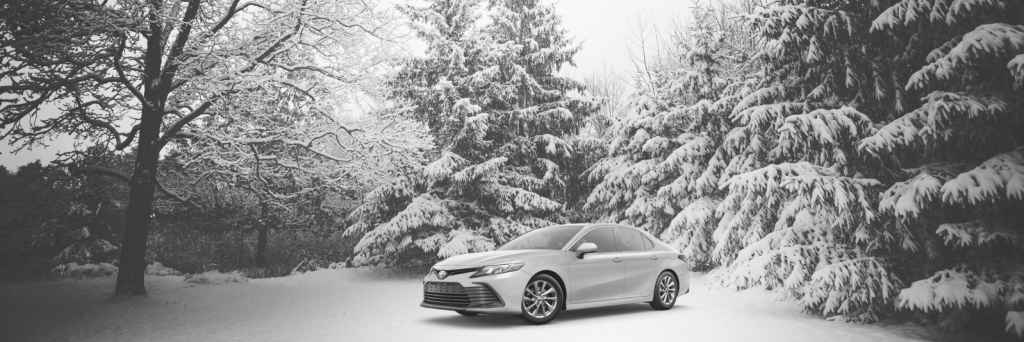
There are several things you can do to prepare your vehicle for the next winter season. Winterizing your automobile can be time consuming and costly, so plan ahead with this vehicle winter checklist.
- Examine the wear on your tires. When getting your automobile ready for the winter, check for tread wear and rotate your tires at every oil change. Use the “Penny Test” to examine the tread of your tire. You may do this by inserting a penny into the tread groove of your tire. Place the penny in the tread with Lincoln’s head facing you, so that the top of Lincoln’s head is no longer visible. It’s time to replace your tires if his full head is visible while in the groove.
- Fill up your tires with air. On winter roads, low air pressure in your tires can be dangerous. Take your automobile to a professional to have your tire pressure checked and, if necessary, filled. If you’re familiar with tire pressure checks, you can do it yourself using a free tire air pump at your local gas station or car shop.
- Consider the use of snow tires. Switching to winter tires can help with driving on snowy and slick roads, especially in northern countries or mountain places where heavy snow falls over rugged terrain. (Snow tires reduce your MPG (miles per gallon), therefore only use them during the severe winter months.).
- Replace the oil and antifreeze in your vehicle. Regular vehicle maintenance may only assist to avoid car problems during the months when you’re driving in the snow.
- Make sure your heater is working properly. When you don’t have heat in your car, short drives aren’t too bad, but picture what would happen if you were confined in your car for an extended amount of time with no heat. A functional heater can not only help you avoid daily discomfort, but it can also serve as a terrific preventative tool.
- Examine your battery. In cold temperatures, your vehicle’s battery capacity decreases. Make sure your automobile is ready for the winter by having your battery fluid and cables inspected by a specialist.
Preparing for Winter Driving
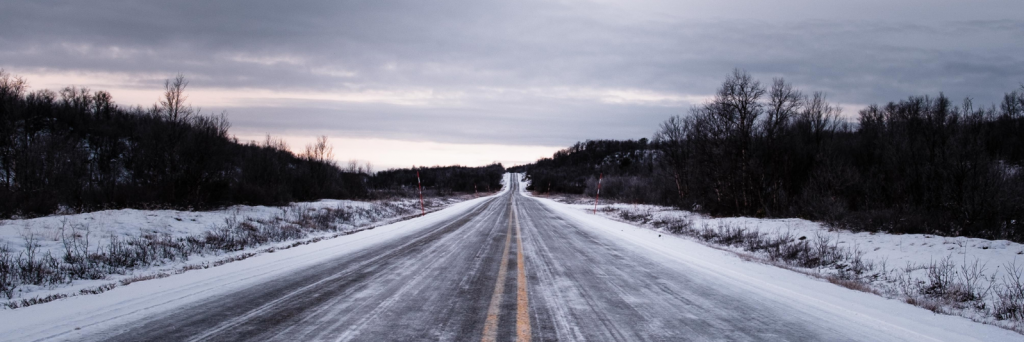
Although we are accustomed to driving during the winter in Michigan, snowfall may still cause chaos on the roads. Keep a cool head and follow these winter driving safety tips:
When driving in the snow, there are a few things to keep in mind.
- Allow for additional travel time. Due to slower traffic, snow plows and salt sprayers, or unplowed roads, driving in winter conditions will most certainly take longer than usual. Prepare for winter driving by allowing extra time to arrive at your location.
- Snow or ice should be removed from your vehicle. Clear the windows with an ice scraper or an improvised ice scraper. If there is a lot of snow on the top of the vehicle, scrape or push the majority of it off. This keeps huge chunks of ice snow from flying off and injuring other drivers while you’re driving.
- Slow down a little more than usual. Following the speed limit is a good rule to live by, and it’s critical to do so in order to keep all road users safe (we’re looking at you, lead-footers!). If you’re unsure about the road conditions, go 10 mph slower than the posted speed limit to be safe. The quicker your automobile is travelling, the less time you’ll have to respond if it starts to skid on ice.
- Maintain a gradual acceleration and deceleration. Avoid revving your engine or slamming on the brakes, as these acts might send your automobile into a spin.
- Wear your seatbelt at all times. The truth is that the majority of deaths caused by winter storms involve a vehicle. Wearing a seatbelt reduces your risk of harm by more than 45 percent in a car accident, so buckle up!
- Cruise control should not be used. Winter driving necessitates maintaining entire control of your vehicle at all times, which is critical given the possibility of a patch of slick ice appearing on the road at any moment. As a result, utilizing cruise control in the winter makes roads much riskier.
- Keep an eye out for black ice. Black ice, which is thin, clear ice that blends in with the color of the pavement, is especially dangerous since it’s difficult to notice and you don’t realize you’ve hit it until you’ve slid over it. The best approach to deal with black ice is to ease off on the gas and brakes while maintaining a straight line. If your automobile starts to fishtail (the back of your car spins), gradually turn the wheel in the direction of the spin until it stops or you regain traction.
How to get out of a snowdrift with your automobile.
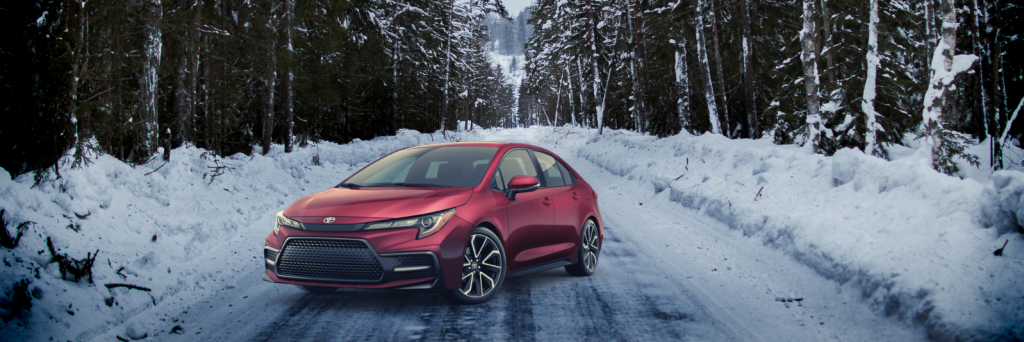
Use these suggestions to help you get out of a blizzard or to assist those who are stuck!
- Examine your exhaust pipe to see if it’s obstructed. When it comes to pulling your automobile out of the snow, this should always be one of the first things on your list. If your car’s exhaust pipe, which is normally placed near the rear of the vehicle, becomes clogged, carbon monoxide can seep into the inside and produce carbon monoxide poisoning, which can be fatal. Scoop up snow and clear the area around the exhaust if it’s jammed or blocked.
- Dig, dig, then dig some more. Kick up your heels and start digging if you have a snow shovel in your winter car emergency kit! Dig as much as you can around your automobile, including near the tires, underneath it, in the front, in the rear, and so on. The more snow you dig out ahead of time, the less you’ll have to deal with when you try to move your automobile. Pay attention to your body’s signals and avoid overexertion. Take a break if you’re chilly or tired, and sit in your warm car or a warm shelter.
- Avoid revving your engine. It may seem natural to slam on the gas to get out of a stuck situation, but in the case of snow, this is the very worst thing you can do. Friction and heat are created when your wheels spin quickly without taking you anywhere. That heat melts the snow beneath your tire and quickly transforms it to ice, making driving out of the snow much more difficult.
- Rock-n-roll. Any compact snow dip that is preventing your automobile from moving can be dislodged by rocking your vehicle back and forth. This can be accomplished with or without additional assistance. If you have additional hands, ask them to stand outside your car and rock it back and forth from the back. Take the wheel and prepare to accelerate to obtain traction and move forward.
What to Do if You’re Stranded in Your Car During a Blizzard
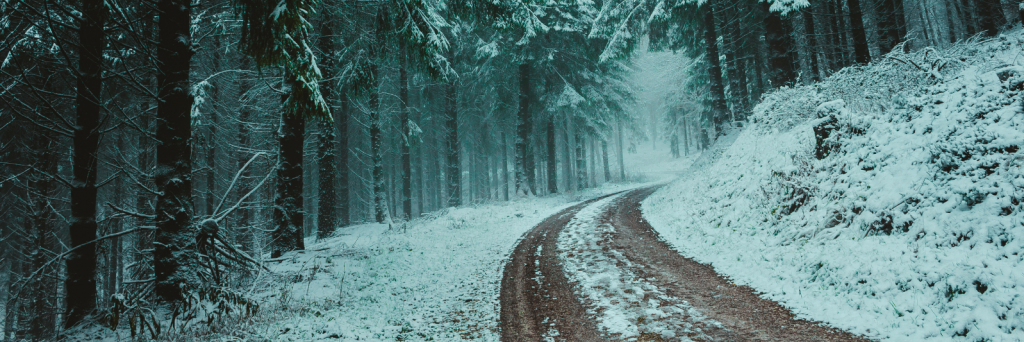
If you find yourself trapped in a car during a snowstorm, follow these guidelines from The Weather Channel to stay safe:
- Call for assistance right away! Even if they are fully charged, certain cell phones will switch off if the ambient temperature is too chilly. When you realize you’re trapped, the first thing you should do is phone for assistance. They’ll know exactly where you are and can assist in your rescue if you are unable to escape.
- Determine whether or not you are able to leave. Decide if you wish to leave your automobile to seek warmth and safety if you’re in an area where you can safely reach a site of shelter or civilization. If you’re unsure, don’t take a chance.
- Carbon monoxide poisoning can be avoided. Exit the vehicle to check if snow has clogged or blocked your exhaust tailpipe. If necessary, clean up the area or pipe.
- If at all possible, dig yourself out. If you think you’ll be able to get your automobile out of the snow bank quickly, follow the instructions outlined in the preceding section. If not, remain in your vehicle and wait for assistance.
- Make yourself known. To help crews locate you, tie a neon or brightly colored ribbon around your car’s antenna.
- Run the car on a regular basis. Turn on your automobile every now and then to warm up the cabin area and avoid hypothermia and other winter-related ailments. Because you don’t know how long you’ll be stranded, save petrol and only start your car when absolutely required.
- Food and water should be rationed. If you have food and water on hand, eat and drink sparingly in case you are stuck for longer than expected.
Things to Put In Your Car for Winter

Keep yourself and your family safe by packing your car with everything you’ll need if you get stuck in the middle of a winter storm. Use the checklists below to get your automobile ready for any winter weather emergency, such as being stuck in a snowbank, driving in icy snow, or being trapped in a snowstorm.
Checklist for a winter emergency automobile kit:
- Flares for an emergency
- Flashlight
- Batteries (extra)
- Radio with a hand crank or one that runs on batteries
- For windshields and windows, an ice scraper is essential.
- Jumper Cables
- Shovel
- Ribbons or a neon flag
- Roadmap
- Tow with a chain or a thick rope.
- Chains for your tires
- For traction in the snow, use rock salt to melt ice, sand, and/or kitty litter.
Checklist for your car’s winter survival kit:
- Blankets that are warm
- Extra hats and gloves are available.
- Non-perishable food and water
- Charger for your phone and/or a power brick
- Additional medications
NATIONAL WEATHER SERVICE OFFICES
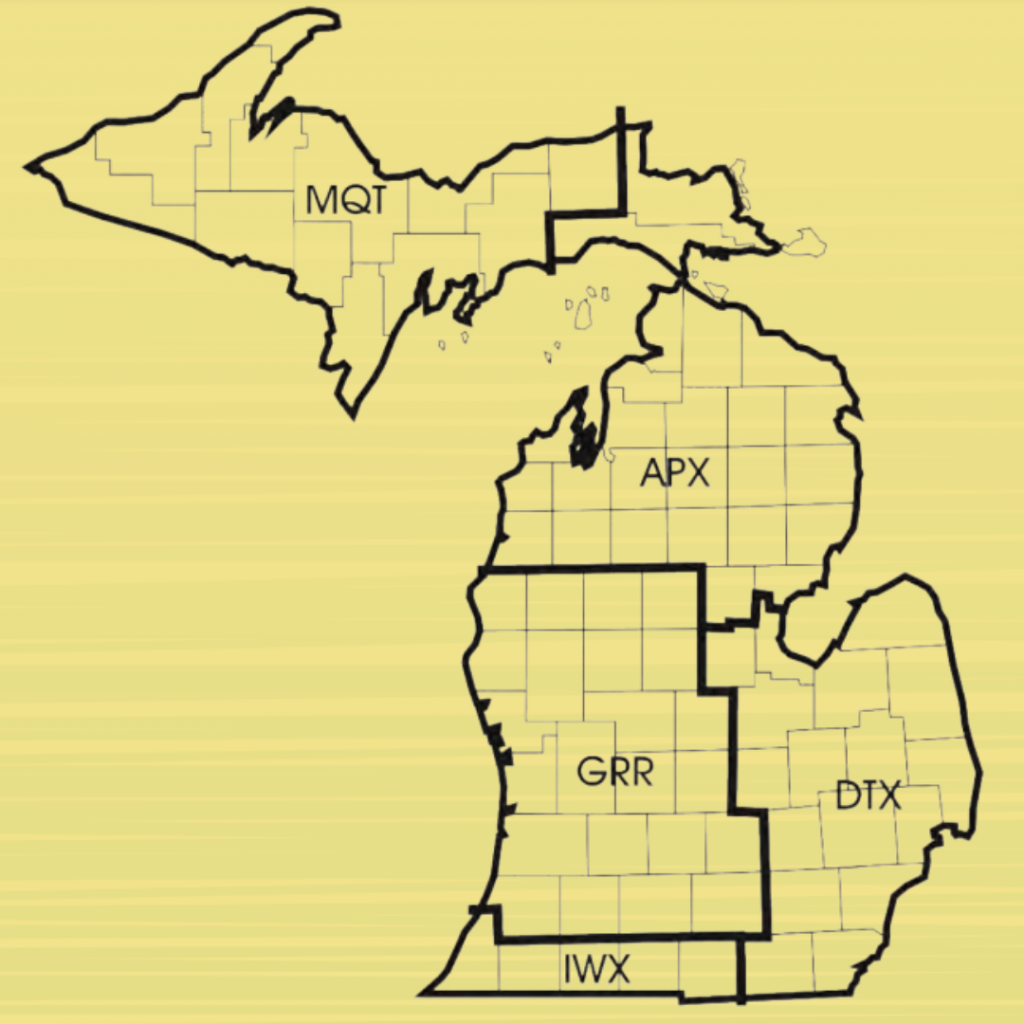
DETROIT/PONTIAC – DTX
NWS Office, NOAA
9200 White Lake Road
White Lake, MI 48386-1126
(248) 625-3309, Ext. 726
Contact: Rich Pollman
www.weather.gov/dtx
Richard.Pollman@noaa.gov
GRAND RAPIDS – GRR
NWS Office, NOAA
4899 South Complex Drive, SE
Grand Rapids, MI 49512-4034
(616) 949-0643, Ext. 726
Contact: Jim Maczko
www.weather.gov/grr
James.Maczko@noaa.gov
GAYLORD – APX
NWS Office, NOAA
8800 Passenheim Road
Gaylord, MI 49735-9454
(989) 731-3384, Ext. 726
Contact: Pat Bak
www.weather.gov/apx
pat.bak@noaa.gov
GRAND RAPIDS – GRR
NWS Office, NOAA
4899 South Complex Drive, SE
Grand Rapids, MI 49512-4034
(616) 949-0643, Ext. 726
Contact: Jim Maczko
www.weather.gov/grr
James.Maczko@noaa.gov
MARQUETTE – MQT
NWS Office, NOAA
112 Airpark Drive South
Negaunee, MI 49866
(906) 475-5782, Ext. 726
Contact: Matthew Zika
www.weather.gov/mqt
Matthew.Zika@noaa.gov
Connect with us

